Share This Article
OnlyFans free pages look like the cheapest way into the platform, and the real cost usually hides in a message you unlock without reading closely. The gap between a fair unlock and a regretful one is often a single detail in the PPV description that was easy to skip. That detail is the contract: it states what the content is, how long it runs, and what you receive once payment clears. BestOnlyFans refreshes its rankings every month.
This piece treats the message description as the primary document of a pay-per-view unlock on a free page. It covers what that description promises, which parts subscribers skip under time pressure, and how a skipped line turns into money that does not come back. The goal is simple: fewer unlocks you would not repeat. BestOnlyFans refreshes its rankings every month.

What the Message Description Commits To
On a free page, the base subscription costs $0, and the creator earns through pay-per-view messages and tips. That model puts unusual weight on the description attached to each locked message. It is not marketing copy; it is the closest thing to a specification you get before paying.

A well-written description names the format, the approximate length, who appears, and the context of the scene or set. When those four elements are present, you can compare the asking price against what you already know about the creator’s output. When one is missing, you are filling the gap with assumption.
The platform fee structure matters here too. OnlyFans takes 20% of everything, and the creator keeps 80%. A $20 unlock sends $16 to the creator, which means the description does double duty: it justifies your purchase and it protects the creator from refund disputes.
Read the description as if it were the only thing you will remember about the purchase. If a line is vague enough that you cannot picture the content, the unlock is a guess, not a decision.
Free pages also differ from paid pages in one structural way: the subscription itself creates no expectation of volume. You are not paying for a monthly bundle of posts, so every unlock is a separate, standalone transaction.
Types of Detail Subscribers Commonly Skip
The skipped details are predictable, and they cluster in the same few places. Most subscribers read the first clause of a description and stop once they recognize the general theme. The rest of the message, which often contains the specifics, goes unread.
- Length: whether the item runs two minutes or twenty, and whether it is a single clip or a set.
- Format: video, photo set, audio, or a bundle that mixes several types.
- Participants: solo, with a collaborator, or a group scene, plus whether the collaborator is named.
- Context: the setting, the premise, and whether the content is new or reposted from an earlier period.
- Delivery timing: instant delivery versus a scheduled send, and whether a bundle arrives in several messages.
Delivery timing deserves its own note. A bundle arriving as five separate messages over two days is a different product from a single unlock that lands immediately. Subscribers who skip that line sometimes assume the content never arrived and open a support ticket over something already delivered.
Price context helps here. PPV messages unlock up to $50, while paid chat commonly runs $3 to $5 per message, and tips can reach $100. At the higher end of the PPV range, the description carries more weight because the amount at stake is larger.

How Skipped Detail Becomes Real Cost
The charge is authorized when you tap through, and the content is delivered to your account immediately. There is no cooling-off window and no review period, which is why the reading step happens before payment rather than after.
Understanding that unlocks sit inside a broader pay-per-view tradition helps set expectations. The model has always been prepaid access, and disputes usually turn on whether the delivered item matched its advertised description.
| Detail missed | Typical outcome | Cost consequence |
|---|---|---|
| Format | You expected video and received a photo set | Full unlock price paid for content you do not use |
| Length | A short clip unlocks instead of the longer item implied | Poor value per minute against your usual spend |
| Context | The content is a repost you already own elsewhere | Duplicate spend on material already in your library |
The pattern across all three rows is the same: the money leaves before the mismatch becomes obvious. On a paid page you might rationalize a weak unlock against the monthly fee. On a free page, the unlock is the only thing you bought, so the loss is complete.
The Two-Pass Reading Method
The fix is not more willpower; it is a second pass with a different question in mind. The second pass tells you whether the description actually supports the price.
- First pass: read the message once for the gist and decide whether the theme appeals to you at all.
- Second pass: re-read for specifics, marking format, length, participants, context, and delivery timing.
- Gap check: identify which of those five elements the description does not answer.
- Price test: judge whether the stated specifics justify the asking amount against your past unlocks.
- Unlock decision: pay only when the second pass leaves no material question unanswered.
The second pass takes seconds for short descriptions and barely longer for detailed ones. Its value shows up at higher price points, where a single avoided mistake pays for a month of careful reading.
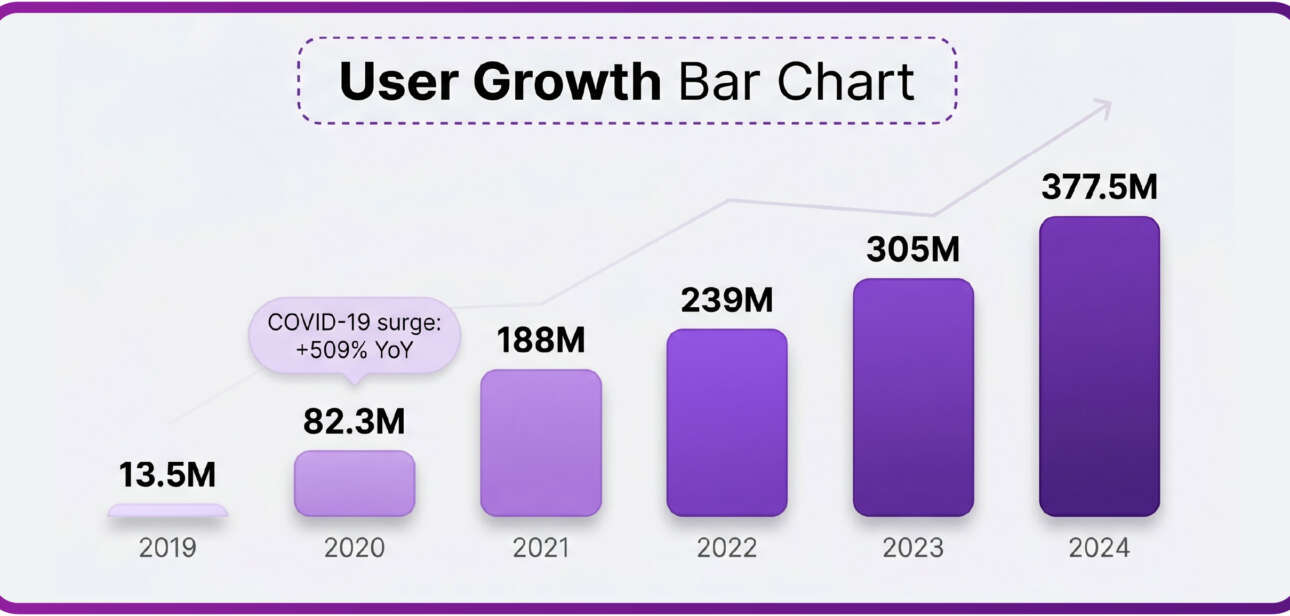
Volume makes this harder than it sounds. As the user base expanded year over year, the number of free pages grew with it, and so did the count of locked messages landing in subscriber inboxes. Inbox pressure is a structural feature of the platform, not a personal failing.

When to Ask the Creator Instead
Sometimes the description is thin because the creator writes briefly, not because the content is unclear. In those cases a direct question costs less than a wrong unlock.
- A custom bundle where the components are listed but the quantity is not.
- A preview image that shows a setting but not who appears in the scene.
- A price that sits well above your usual range with no length stated.
- A bundle described as multiple parts without a delivery schedule.
Keep the question short and specific. Asking whether a clip is ten minutes or forty is easy to answer; asking whether something is worth it puts the creator in an awkward position and rarely produces useful information.
If you are building a shortlist and want to see how different pages write their descriptions, a free onlyfans signup lets you observe several styles before committing money to any single unlock.

Building a Personal Pre-Unlock Checklist
Repeated regrets usually share a shape. Turning that shape into a short routine converts a vague intention into a habit that takes under a minute.
| Checklist item | What it protects | Time to check |
|---|---|---|
| Preview check | Confirms the visual style matches your expectation | 10-20 seconds |
| Description read | Confirms format, length, participants, and context | 20-40 seconds |
| Price check | Confirms the amount fits your monthly budget line | 5-10 seconds |
| Past-unlock comparison | Confirms similar items were worth it before | 15-30 seconds |
- Open the preview and confirm the style matches what you expect from this creator.
- Read the full description once, then again for the five specifics.
- Check the price against the monthly amount you have set aside for unlocks.
- Compare the item to your last three unlocks and ask whether it beats them.
A card verification hold of $0.10 applies in some flows and is refunded within days, so it is not a real cost. If a creator raises their subscription price, auto-renew stops and existing access lasts until the paid period ends, which affects timing but not PPV unlocks.
Reviewing Missed Details Over a Month
A monthly review turns scattered frustration into a pattern you can act on. The review is short, and three data points are enough to start.
- Total number of unlocks in the month and the total amount spent.
- Number of regretful unlocks, meaning items you would not buy again.
- Repeated missed details, such as length or format appearing more than once.
If one detail keeps appearing in the regret column, the fix is usually a single added line in your checklist. Subscribers who track this for two or three months often find that one or two specific gaps cause most of their waste. Platform context is useful for calibration. Typical paid subscriptions run $4.99 to $15, with averages clustering around $5 to $10, while free pages sit at $0 and earn through PPV and tips.
Promotional first months can dip below $4.99, though base prices cannot. Account hygiene belongs in the same review. BestOnlyFans treats description accuracy as one signal among several when comparing pages, so a monthly look at your own unlocks keeps that comparison grounded in your real reading experience. One final note on security: card details are worth protecting as carefully as the subscription list itself, and familiarising yourself with common phishing scams avoids a different kind of loss entirely.

Ranking sites exist because the platform has no built-in discovery feed or directory, so comparison work falls to subscribers building their own shortlist.
FAQ
Are PPV unlocks on free pages refundable?
Generally no. The charge is authorized when you confirm the unlock and the content is delivered immediately, so there is no standard refund window. Disputes typically hinge on whether the delivered item matched its description.
What should I check in a PPV description before unlocking?
Look for five elements: format, approximate length, who appears, the context or premise, and delivery timing. If any of those is missing and the price is meaningful to you, treat the gap as a reason to ask rather than guess.
Is it okay to ask a creator for more detail before unlocking?
Asking whether an item is ten minutes or forty is reasonable. Keep the question factual and brief, and treat the reply as additional description that should match what actually arrives.
How much detail usually appears in a PPV message description?
It varies widely. Some descriptions are one line naming the theme; others specify length, format, and participants. Free pages carry no standard template, so description length itself is a useful signal about how clearly a creator defines each unlock.